Industrial Computer for Modern Industrial Operations
Published: June 20, 2026
Contents
In today's highly competitive industrial landscape, manufacturers and industrial operators are under constant pressure to improve productivity, reduce downtime, enhance product quality, and optimize operational efficiency. The rapid adoption of automation, Industrial Internet of Things (IIoT), artificial intelligence, and smart manufacturing technologies has significantly transformed industrial operations. However, these advancements also introduce new challenges that traditional commercial computing systems often struggle to address.Industrial environments are fundamentally different from office environments. Factories, processing plants, warehouses, power generation facilities, transportation systems, and other industrial operations expose computing equipment to harsh conditions such as extreme temperatures, vibration, dust, humidity, electrical noise, and continuous 24/7 operation requirements. As a result, organizations require specialized computing platforms designed specifically for industrial applications. This is where Industrial Computers (IPCs) play a critical role.
Common Challenges in Modern Industrial Operations
As industries continue to embrace automation, digitalization, and data-driven decision-making, operational challenges have become increasingly complex. Modern manufacturing facilities, logistics centers, utilities, and processing plants must maintain high productivity while ensuring safety, quality, and cost efficiency. However, several persistent challenges can significantly impact operational performance if not properly addressed.
1. Equipment Downtime and Production Interruptions
Unplanned downtime remains one of the costliest issues in manufacturing and industrial facilities. Even a few minutes of unexpected production stoppage can result in:
Lost production output
Missed delivery schedules
Increased labor costs
Product waste
Reduced customer satisfaction
Many downtime incidents occur because critical control systems, monitoring stations, or data acquisition computers fail under harsh operating conditions.ImpactFor industries operating continuously, such as semiconductor manufacturing, food processing, chemical plants, and energy facilities, downtime costs can range from thousands to millions of dollars per hour.
2. Harsh Environmental Conditions
Industrial facilities often expose electronic equipment to:
High temperatures
Low temperatures
Dust and airborne particles
Oil and chemical exposure
High humidity
Shock and vibration
Electromagnetic interference (EMI)
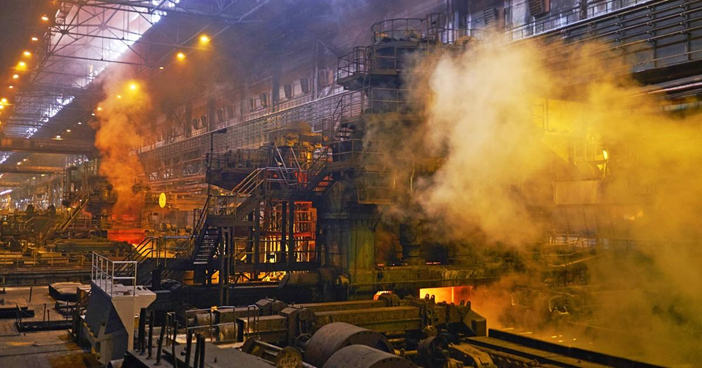
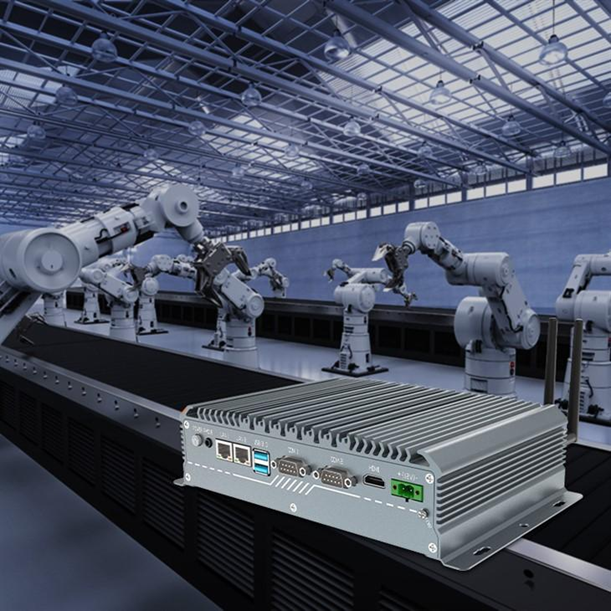
Traditional desktop PCs are designed for climate-controlled office environments and may fail prematurely when deployed in industrial settings. Harsh Work Environment
3. Increasing Demand for Automation
Industry 4.0 initiatives require organizations to integrate:
PLCs (Programmable Logic Controllers)
SCADA systems
Machine vision
Robotics
Sensors
Edge computing devices
AI-powered analytics
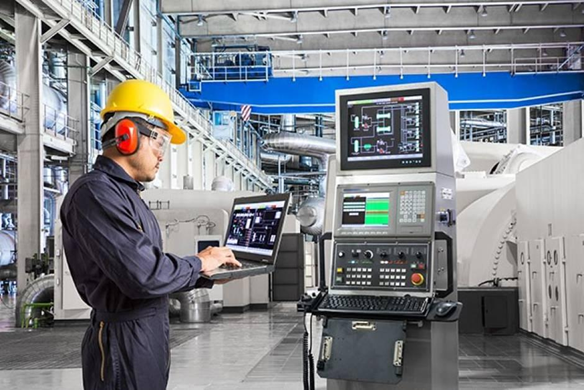
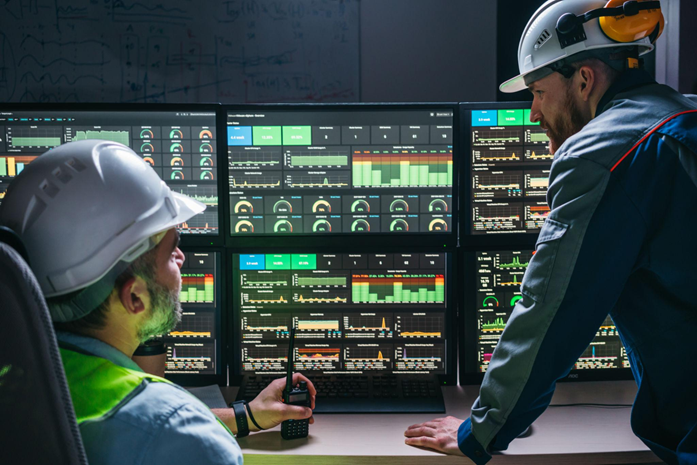
These applications generate large volumes of data that must be processed reliably and in real-time. Increasing Demand for Automation
4. Data Security and System Reliability
As industrial networks become increasingly connected, cybersecurity threats continue to rise. Manufacturing systems are now common targets for:
Ransomware attacks
Unauthorized access
Data theft
Operational disruption
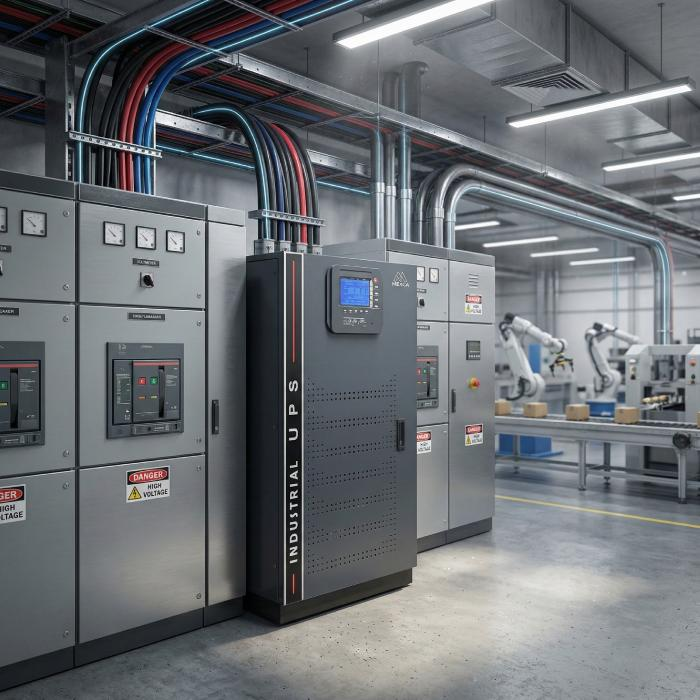
A single system failure or cyber incident can halt production and create substantial financial losses. 4. Data Security and System Reliability
5. Long-Term Product Availability
Unlike office computers that are frequently replaced every few years, industrial systems often remain operational for 5 to 15 years.A common challenge faced by industrial operators is component obsolescence. When commercial PCs reach end-of-life status, replacement parts may no longer be available, creating maintenance and compatibility issues.
What Is an Industrial Computer?
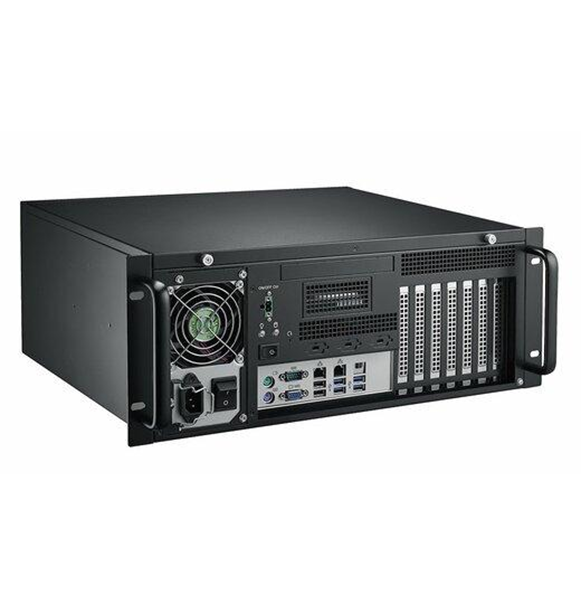
An Industrial Computer (IPC) is a specialized computing system engineered specifically for operation in demanding industrial environments.Unlike standard commercial PCs, industrial computers are designed to deliver:
High reliability
Long operational lifespan
Resistance to environmental hazards
Continuous 24/7 operation
Enhanced system stability
Industrial computers are commonly used in:
Manufacturing facilities
Oil and gas operations
Transportation systems
Utilities and power plants
Smart cities
Warehouses and logistics centers
Machine automation systems
Semiconductor fabrication plants
What Is an Industrial Computer?
Benefits of Using Industrial Computers
1. Improved ReliabilityIndustrial computers are engineered for mission-critical applications where system failure is not an option.Their robust architecture minimizes unexpected failures and supports continuous operation that can resulting in:
Higher system uptime
Increased production efficiency
Reduced maintenance costs
2. Reduced DowntimeBy operating reliably under harsh conditions, industrial computers help prevent production interruptions caused by hardware failures which can cause:
Greater operational continuity
Improved production planning
Reduced financial losses
3. Enhanced Automation CapabilitiesIndustrial computers act as the processing hub for:
PLC communication
SCADA systems
Human-Machine Interfaces (HMI)
Machine vision applications
AI-driven inspection systems
Result:
Increased productivity
Faster decision-making
Improved process control
4. Better Data Collection and AnalyticsModern industrial operations generate massive amounts of data.Industrial computers enable:
Real-time data acquisition
Edge analytics
AI inferencing
Predictive maintenance
Result:
Improved operational visibility
Faster issue detection
Data-driven optimization
5. Lower Total Cost of Ownership (TCO)Although industrial computers may have higher initial acquisition costs compared to commercial PCs, they often deliver lower lifetime costs due to:
Longer service life
Reduced maintenance
Lower downtime expenses
Better system stability
Result:
Higher return on investment
Lower long-term operational costs
6. Support for Industry 4.0 InitiativesIndustry 4.0 requires reliable computing infrastructure capable of supporting:
IIoT deployments
Artificial intelligence
Machine learning
Digital twins
Smart manufacturing
Industrial computers provide the processing power and reliability necessary to support these advanced technologies.Result:
Accelerated digital transformation
Improved competitiveness
Greater manufacturing agility
Benefits of Using Industrial Computers
Conclusion
As industries continue their transition toward automation, digitalization, and Industry 4.0, the need for reliable computing infrastructure has never been greater. Traditional commercial computers often struggle to withstand the environmental demands and operational requirements of industrial environments, resulting in increased downtime, maintenance costs, and operational risks.Industrial Computers provide a robust and future-ready solution by delivering superior reliability, environmental resilience, long lifecycle support, and powerful processing capabilities. By serving as the foundation for automation systems, machine vision, edge computing, predictive maintenance, and smart manufacturing initiatives, industrial computers help organizations improve productivity, reduce operational costs, and achieve sustainable long-term growth.For businesses seeking to enhance operational efficiency and build a resilient digital infrastructure, investing in industrial computers is not merely a technology upgrade—it is a strategic investment in the future of industrial operations. Conclusion
Related Articles
Continue reading about industrial automation and smart manufacturing